Azalea
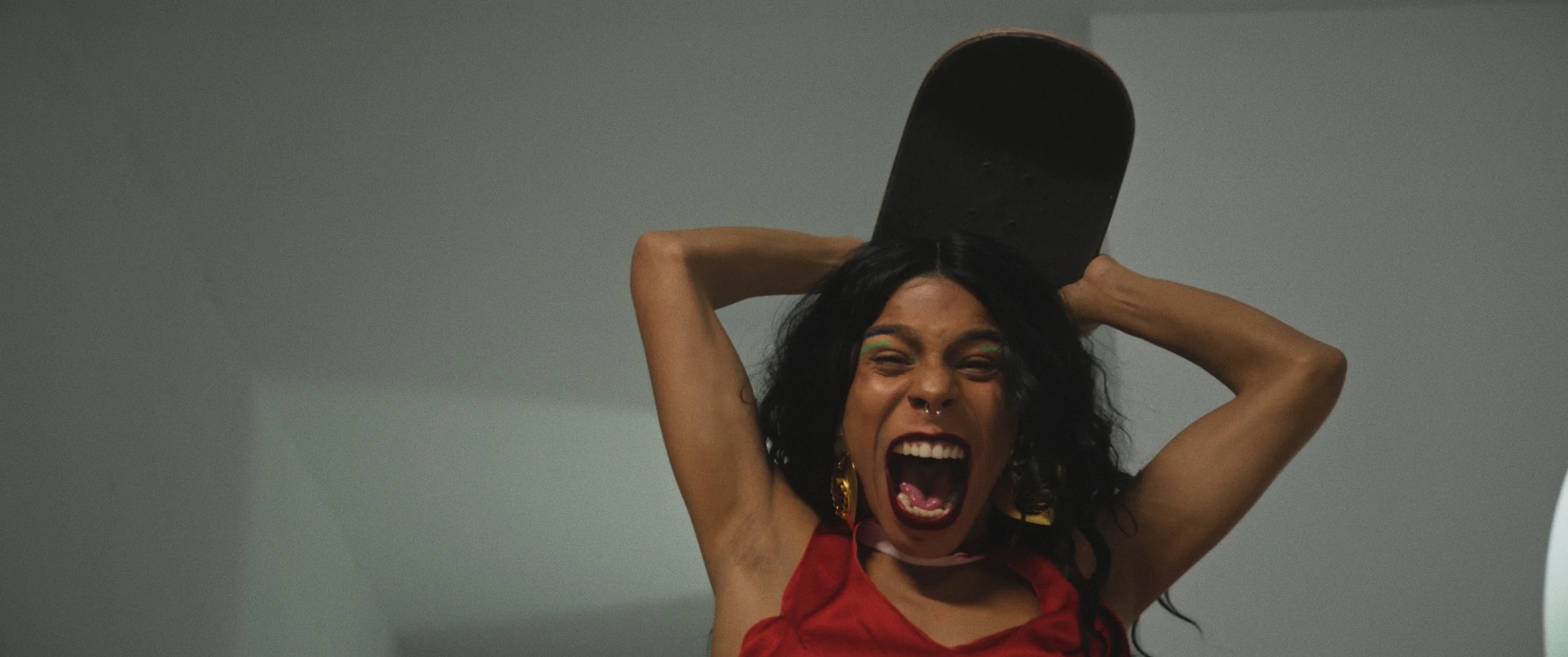
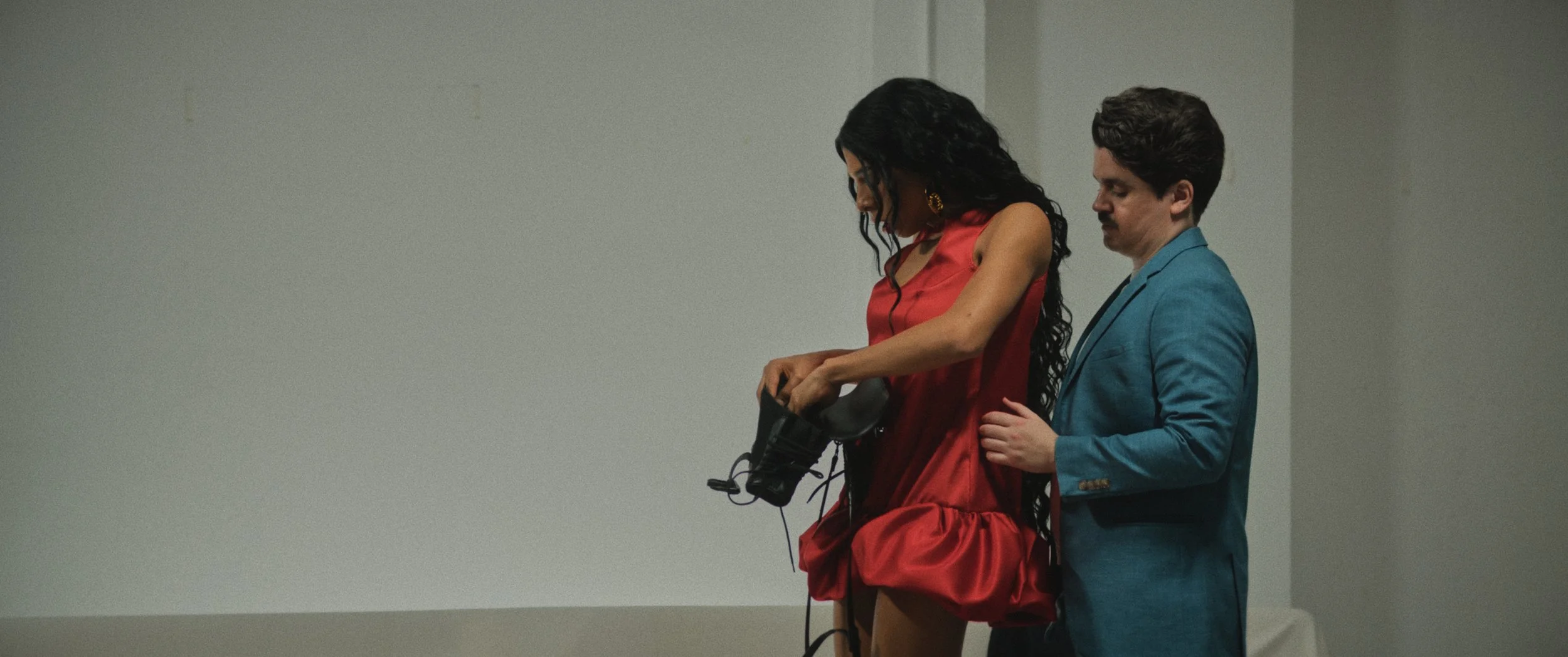
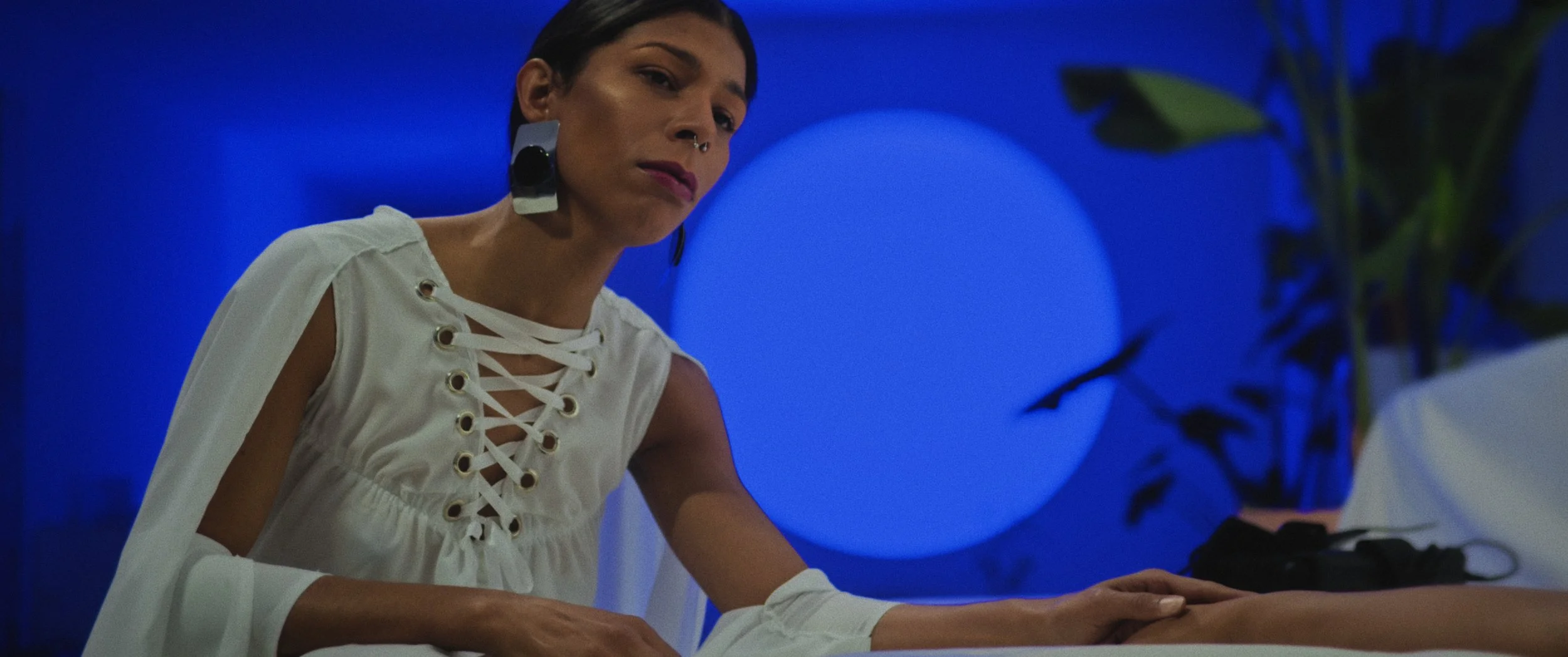
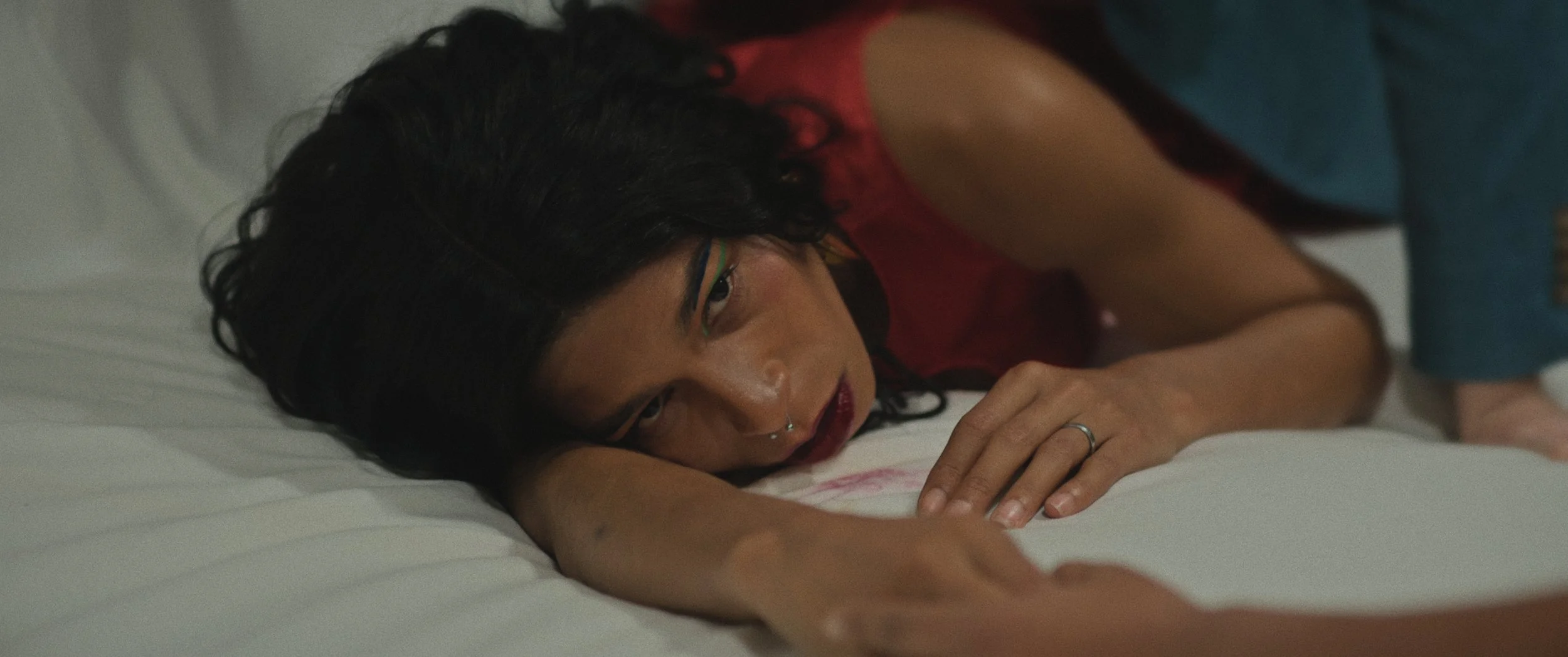
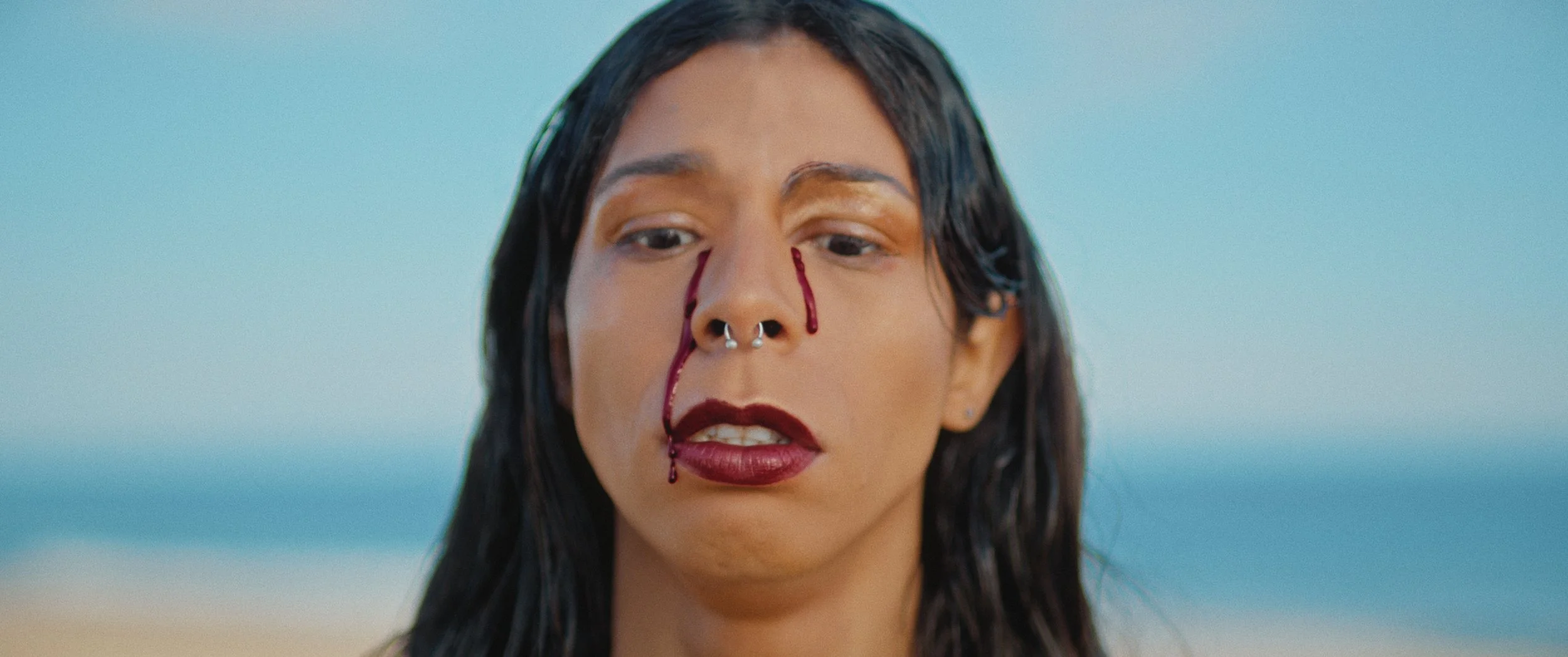
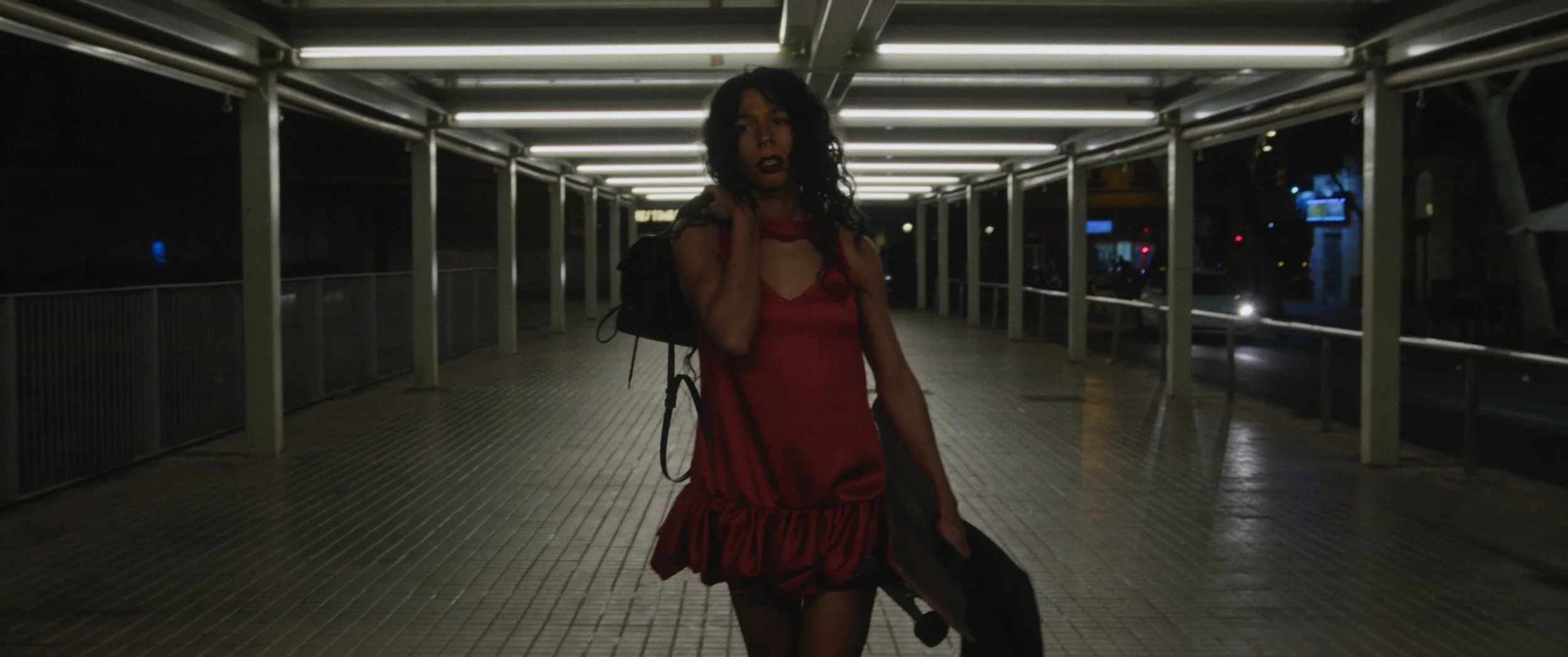
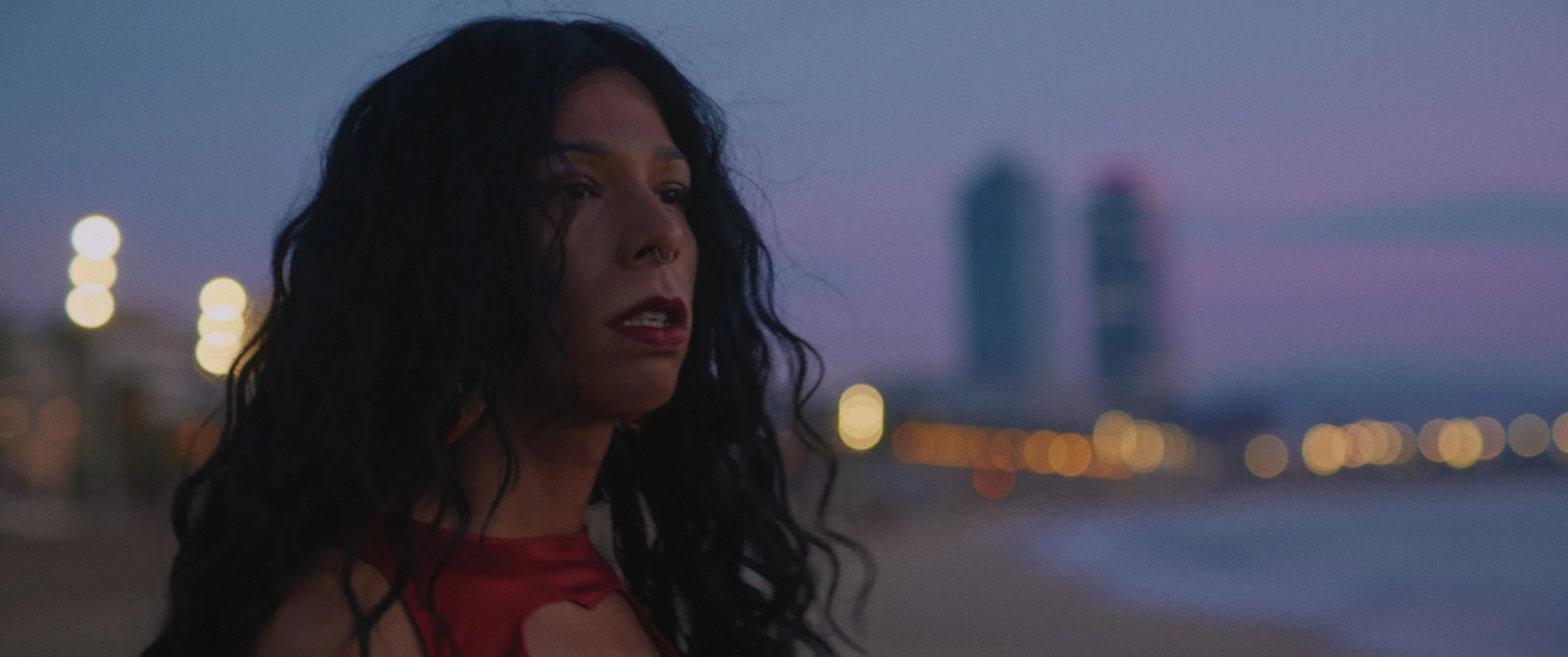
In Barcelona, a young skateboarder and sex worker’s routine client meeting turns violent, fracturing her reality and sending her into a dissociative journey to reclaim power.
À Barcelone, le rendez-vous habituel d’une jeune skateuse et travailleuse du sexe avec un client bascule dans la violence, fracturant sa réalité et l’entraînant dans un voyage dissociatif pour reprendre le pouvoir.
Synopsis (EN) :
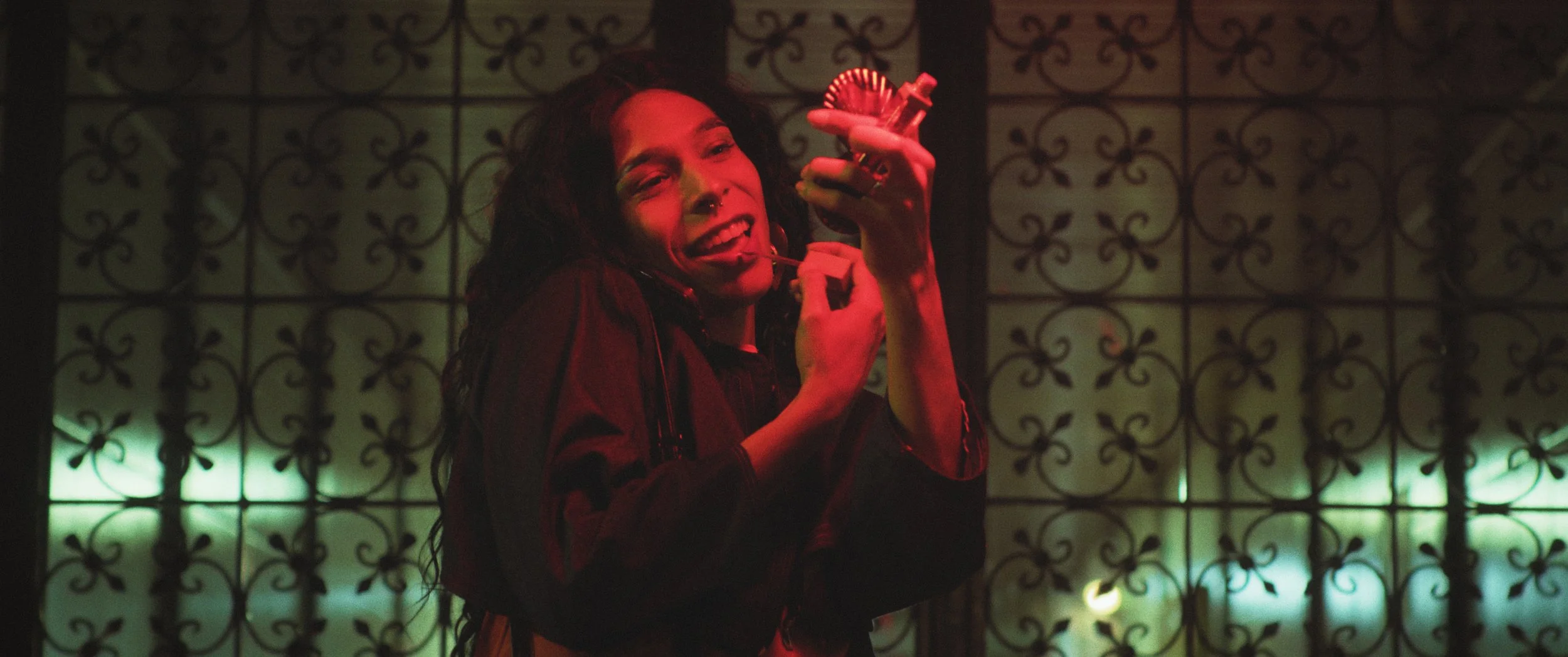
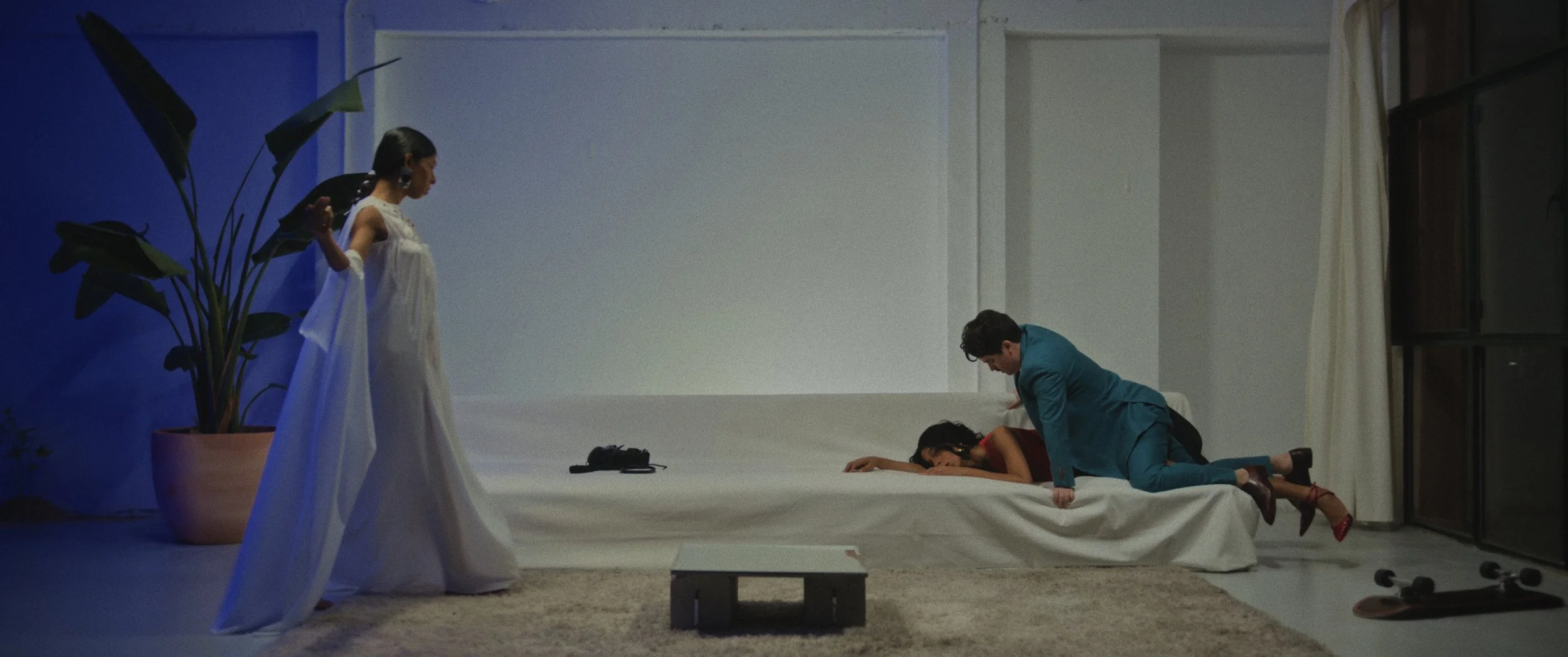
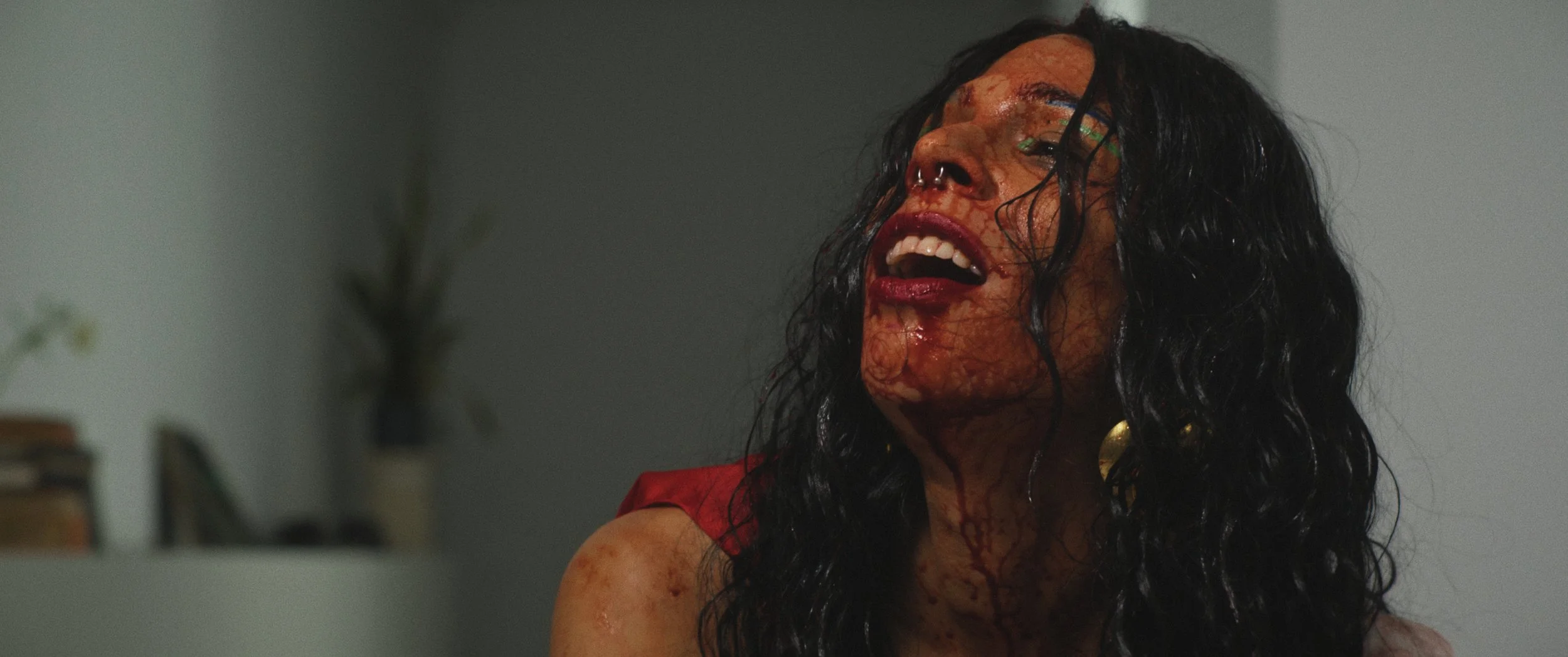
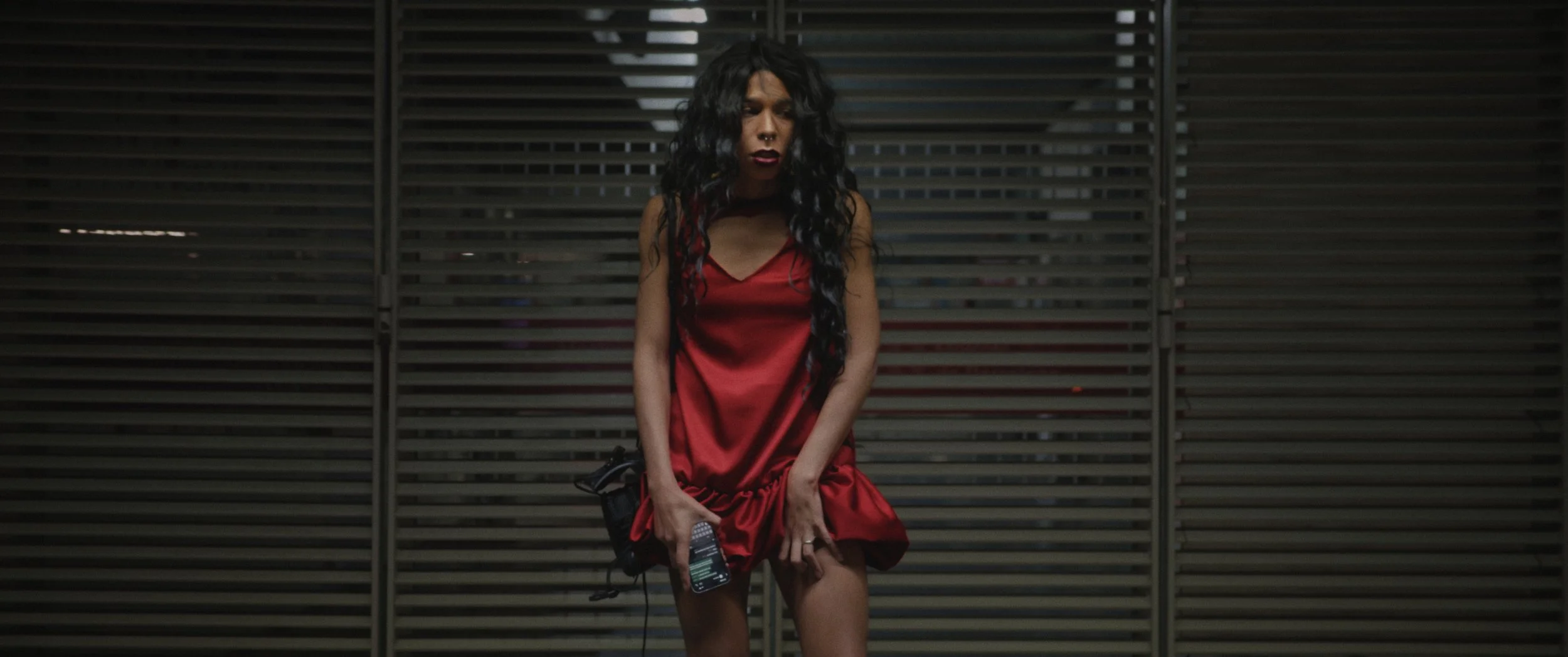
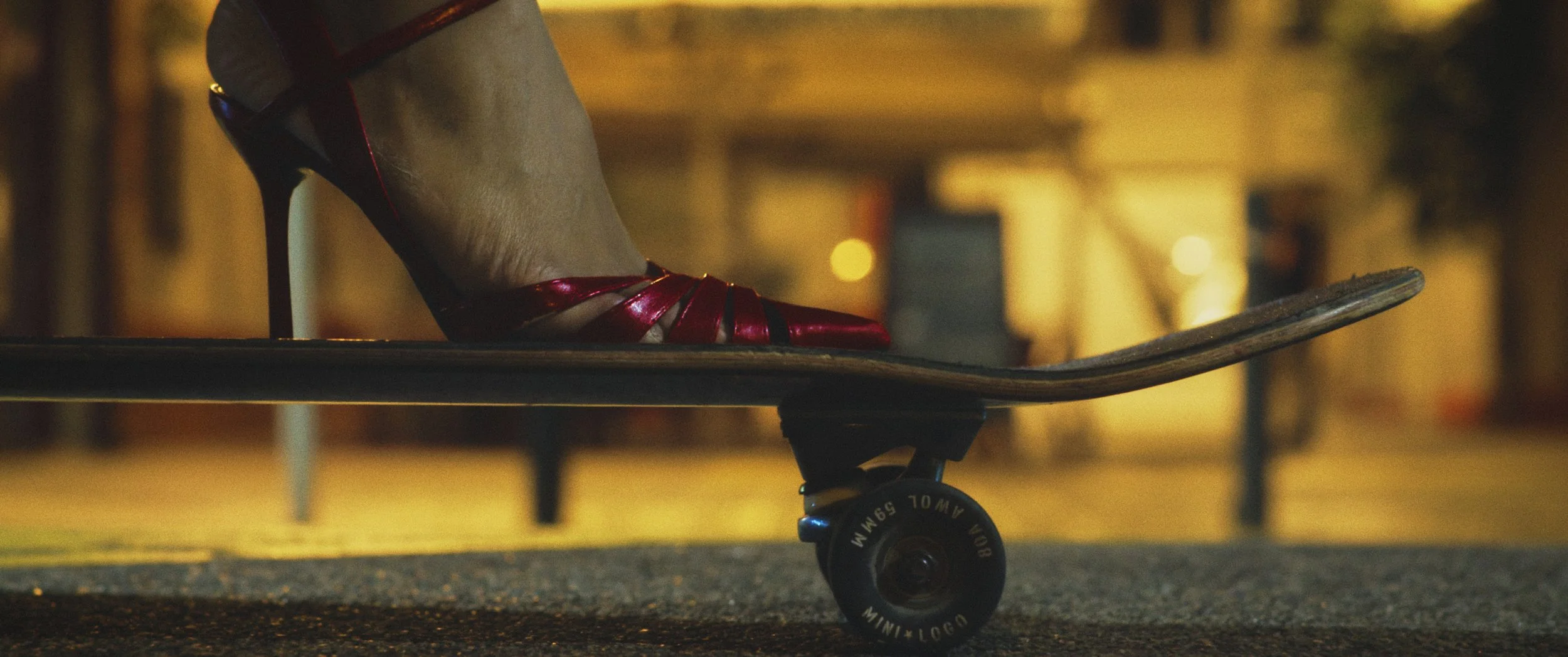
In Barcelona, Azalea moves through the city on her skateboard, carried by speed and the illusion of control. When she arrives at a client’s apartment, everything seems to follow a familiar script, until, without warning, the night brutally fractures. After the violence, reality splinters, giving way to a sensory and psychological drift where dissociation, rage, and the desire to reclaim power intertwine. An inner journey in which regaining control becomes an act of survival.
Synopsis (FR) :
À Barcelone, Azalea traverse la ville sur son skateboard, portée par la vitesse et l’illusion du contrôle. Lorsqu’elle arrive dans l’appartement d’un client, tout semble suivre un scénario familier, jusqu’à ce que, sans avertissement, la nuit se fracture brutalement. Après la violence, la réalité se fissure, laissant place à une dérive sensorielle et psychologique où se mêlent dissociation, rage et désir de reprendre le pouvoir. Un voyage intérieur dans lequel retrouver le contrôle devient un acte de survie.
Director's statement (EN) :
With Azalea, I seek to explore how trauma can erupt suddenly and, in a single instant, profoundly alter one’s relationship to the body, to space, and to oneself. The film examines dissociation as a survival mechanism, those mental territories the mind retreats to when reality becomes unbearable. The story is rooted in personal experiences, particularly those of women close to me, and especially my sister, whose strength was unexpectedly tested by a traumatic event. Through Azalea’s journey, the film delves into the unsettling fragmentation of the mind in such crucial moments, highlighting the complex dynamics of trauma while questioning notions of consent and power within the context of sex work. It firmly rejects the idea that money can legitimize any form of ownership over another person’s body.
Rather than following a conventional narrative of revenge, I aim to propose another form of justice, one grounded in confrontation and awareness rather than violence, and one that restores Azalea’s dignity and voice.
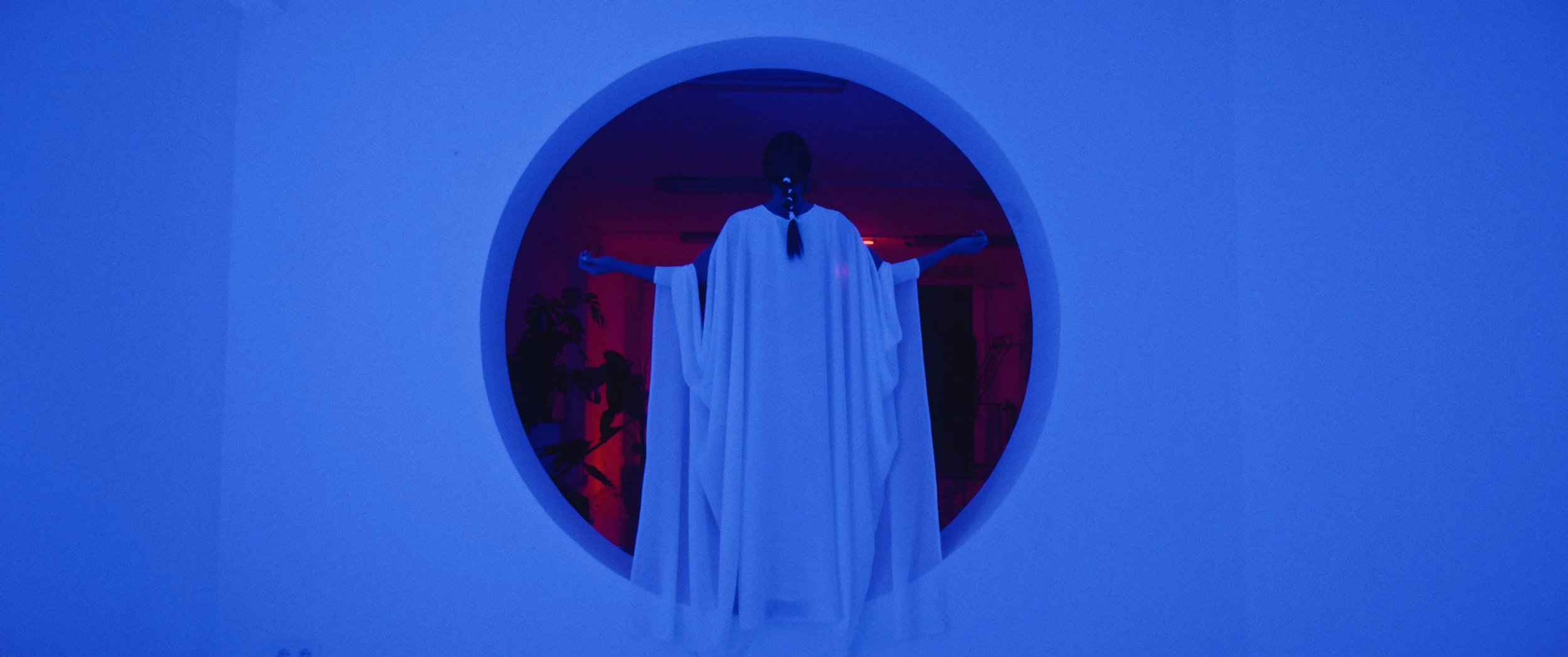
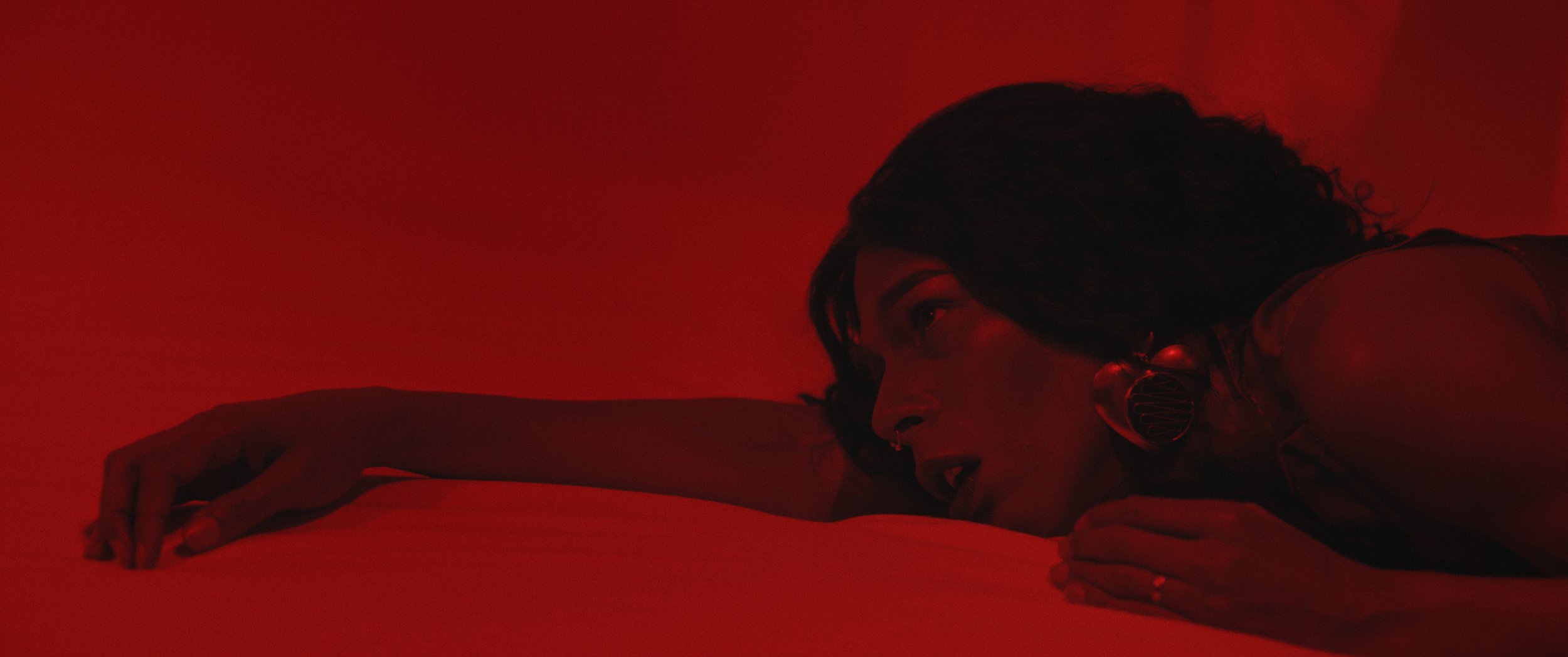
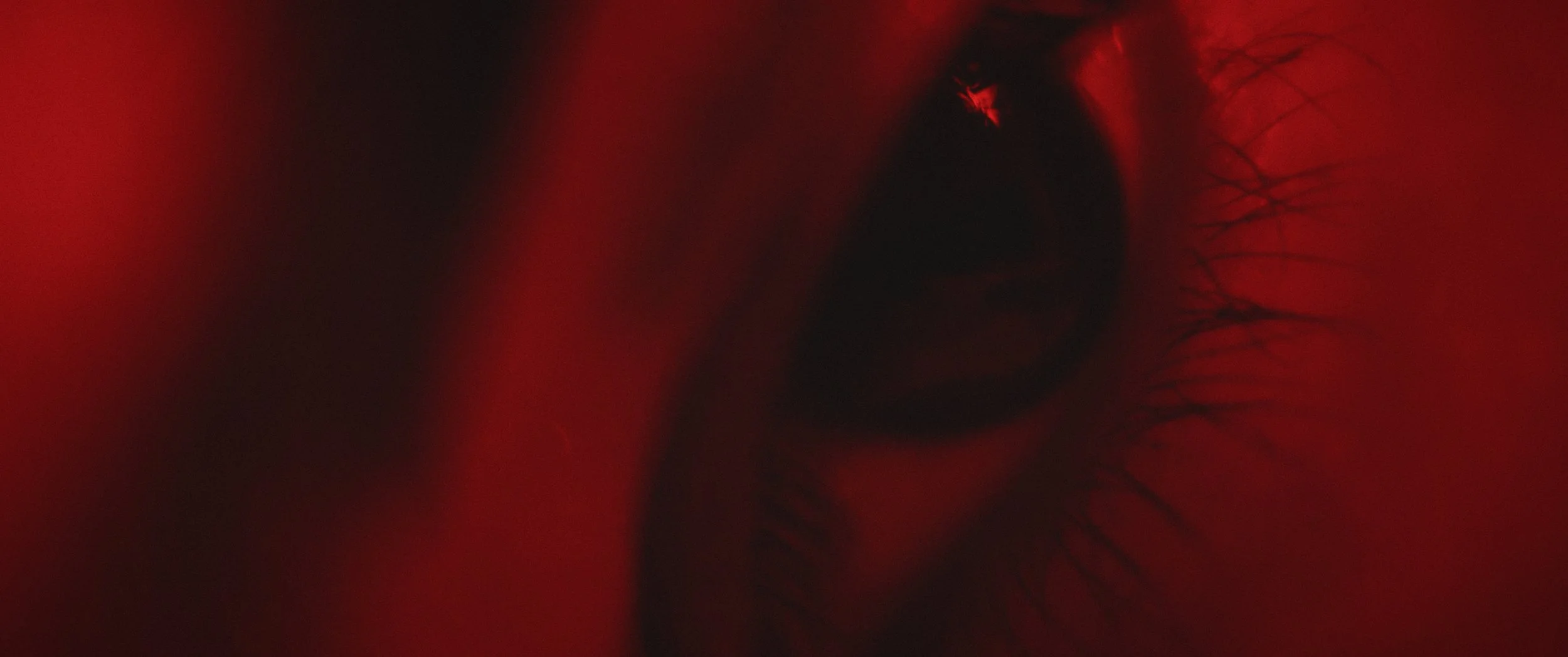
Formally, the film adopts a hybrid cinematic language that blends realism and surrealism. It begins with a luminous and energetic immersion into Azalea’s daily life, her charisma, her freedom, and her relationship to movement within the urban landscape of Barcelona. This opening anchors her as a fully alive and autonomous presence before the violence occurs. When the assault takes place, the mise-en-scène shifts entirely into her perception. The camera remains at her level, refusing the aggressor’s point of view. Through dreamlike imagery, doubling, and symbolic landscapes, the film renders dissociation not as an aesthetic device, but as a sensitive translation of traumatic experience.
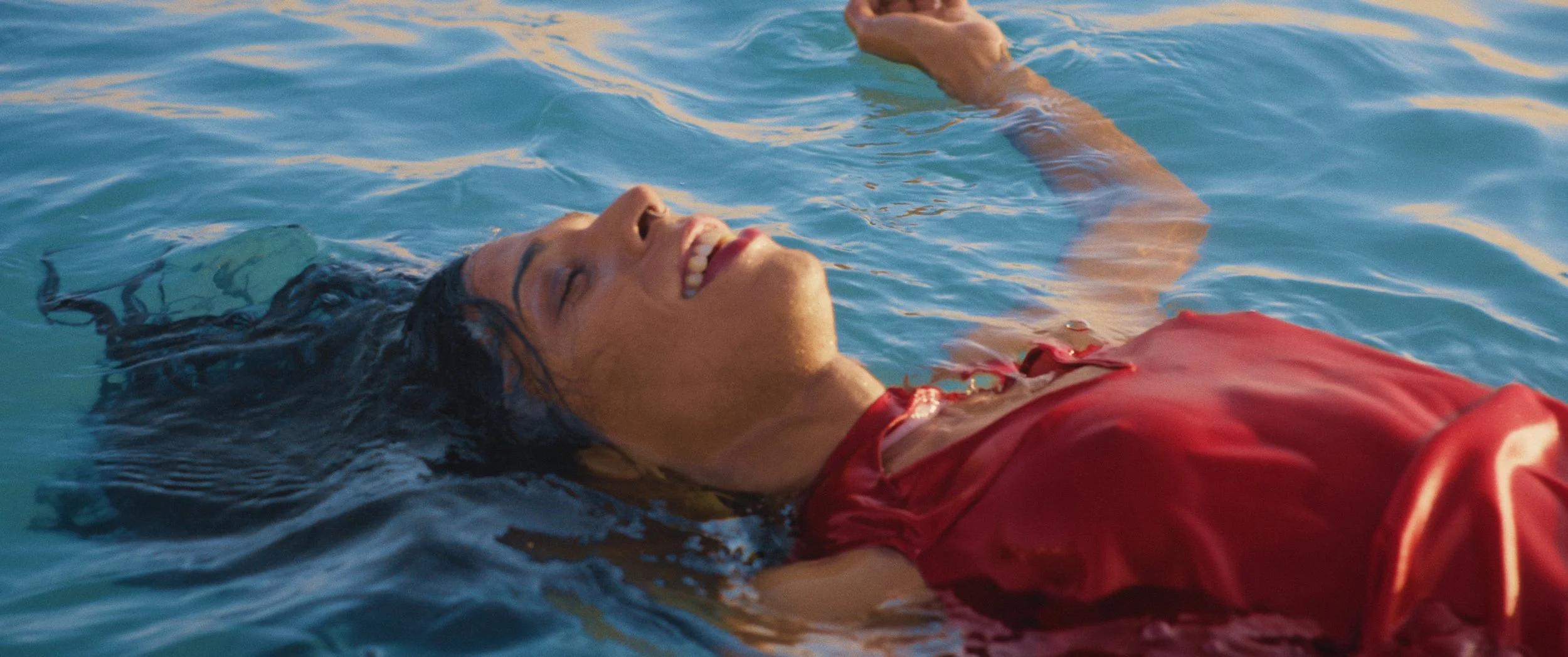
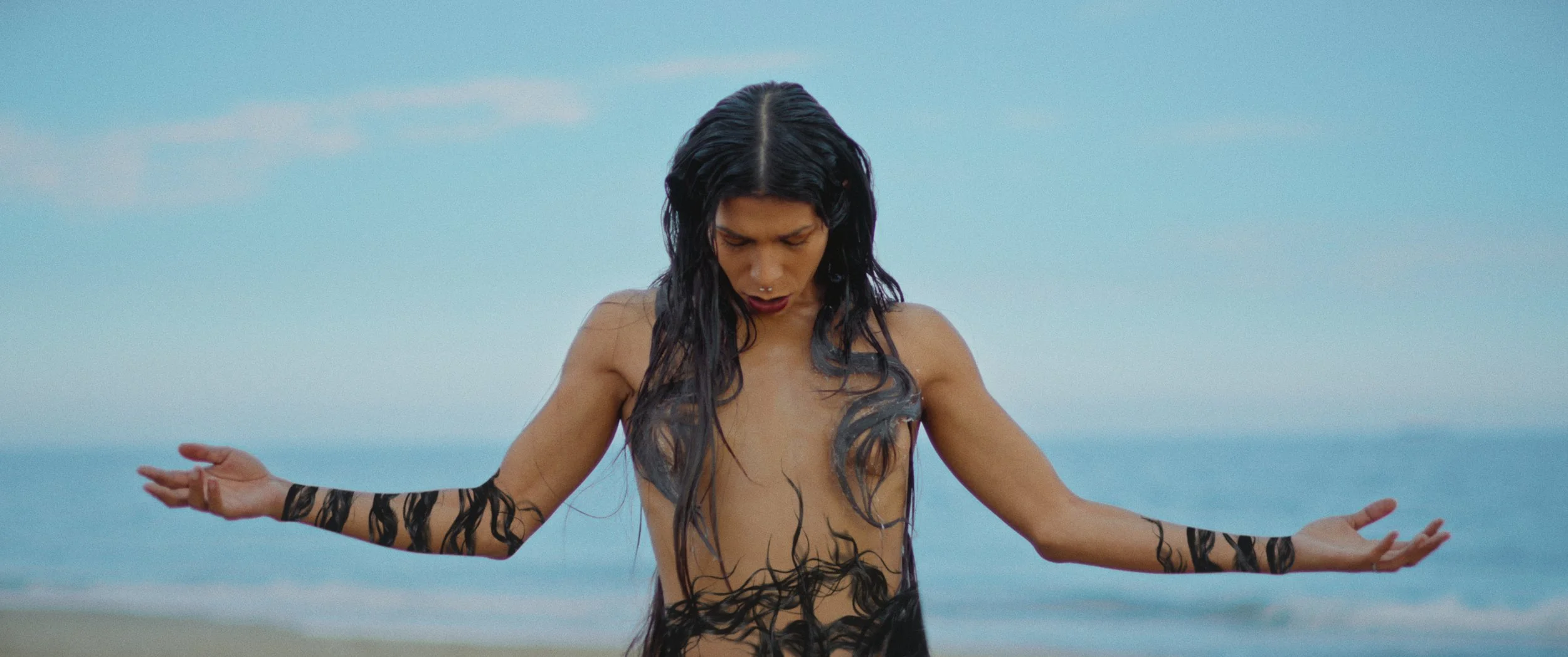
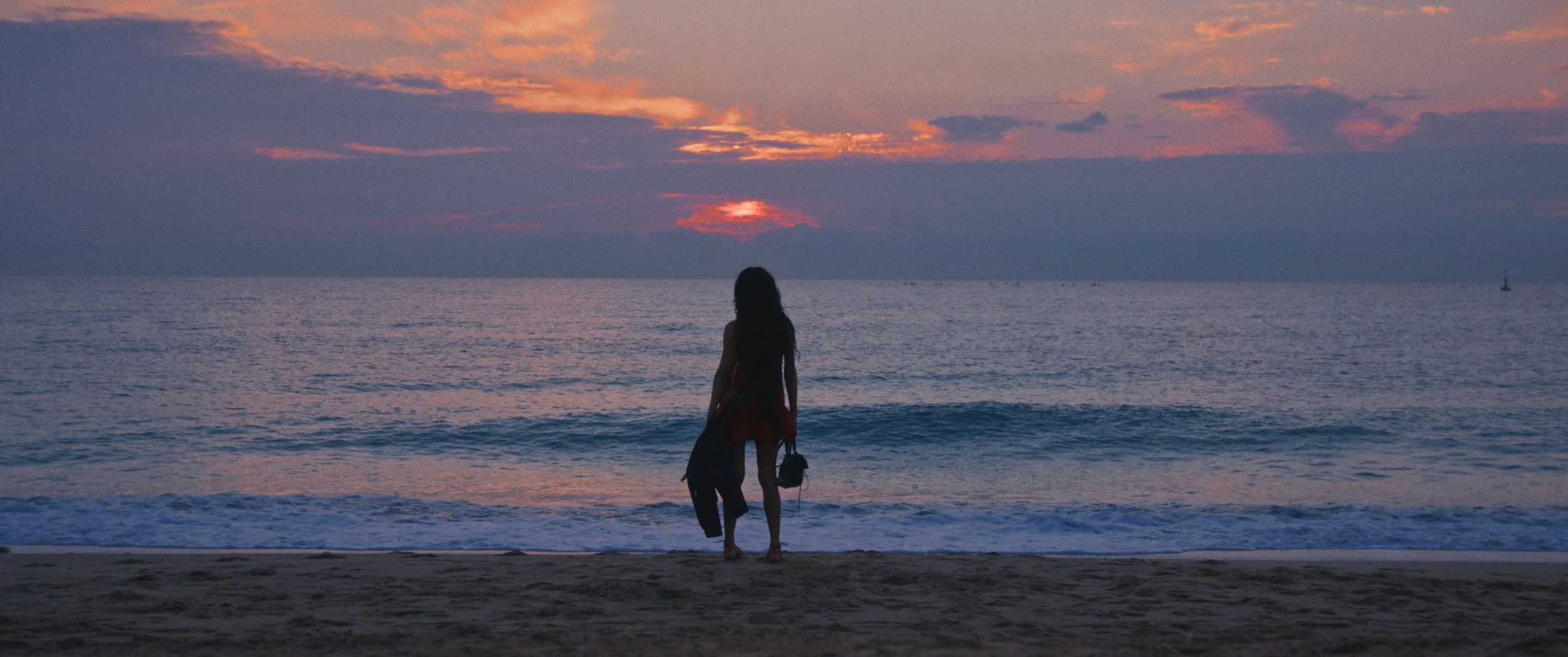
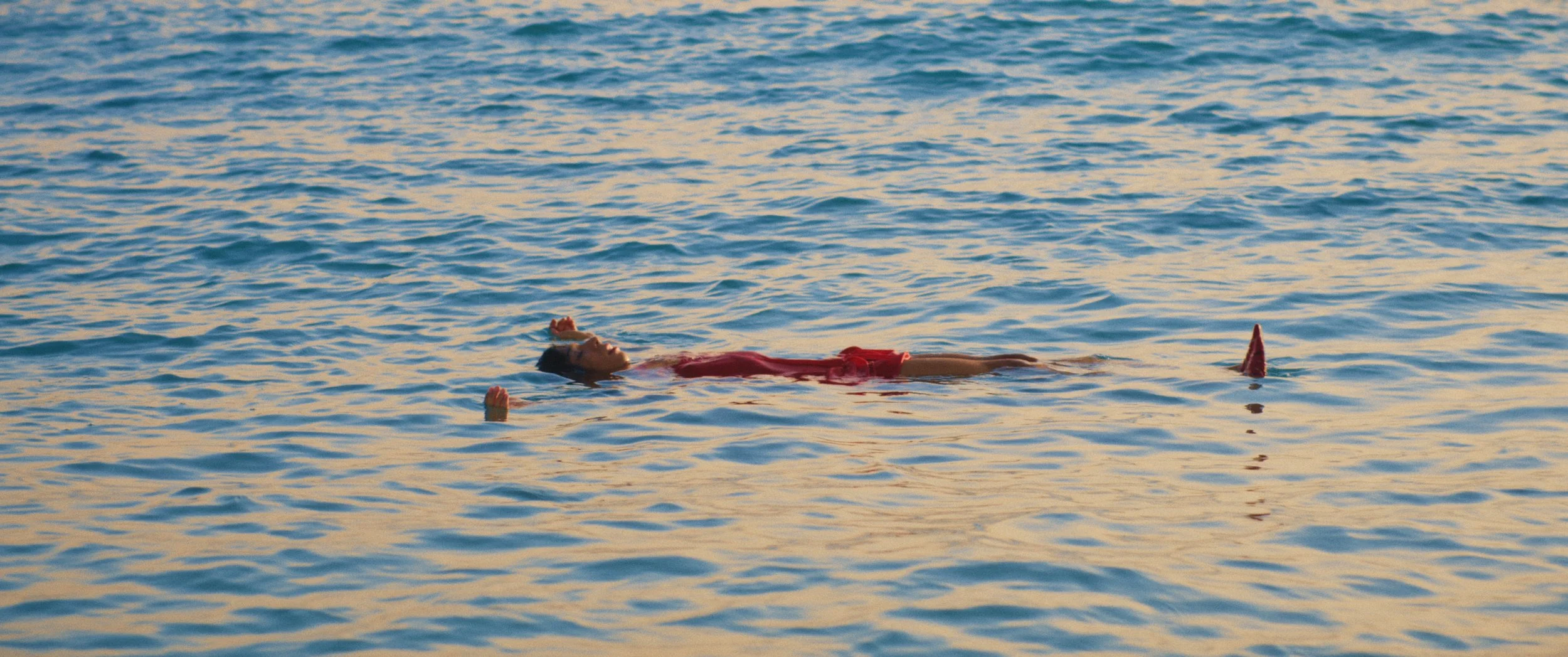
As the narrative unfolds, it moves toward resilience. Oppressive interiors gradually open onto natural landscapes, and movement, skateboarding, walking, immersion in the sea, becomes a language of survival. The music, structured around a lullaby and a recurring leitmotif, accompanies this inner passage, transforming in rhythm with Azalea’s emotional states. Azalea refuses a spectacular resolution. Instead, it embraces an intimate and political approach in which confrontation becomes revelatory, and the epilogue embodies the possibility of a fragile yet sovereign rebirth.
Note d’intention(FR) :
Avec Azalea, je cherche à explorer la manière dont un traumatisme peut surgir soudainement et, en un instant, bouleverser profondément le rapport au corps, à l’espace et à soi-même. Le film examine la dissociation comme mécanisme de survie, ces territoires mentaux vers lesquels l’esprit se réfugie lorsque la réalité devient insupportable. L’histoire s’ancre dans des expériences personnelles, notamment celles de femmes proches de moi, et en particulier de ma sœur, dont la force a été mise à l’épreuve de façon inattendue par un événement traumatique. À travers le parcours d’Azalea, le film explore la fragmentation troublante de l’esprit dans de tels moments, mettant en lumière la complexité des dynamiques du traumatisme tout en interrogeant les notions de consentement et de pouvoir dans le contexte du travail du sexe. Il rejette fermement l’idée que l’argent puisse légitimer une quelconque forme de possession du corps d’autrui.
Plutôt que de suivre un récit classique de vengeance, je souhaite proposer une autre forme de justice, fondée sur la confrontation et la prise de conscience plutôt que sur la violence, et qui restitue à Azalea sa dignité et sa voix.
Sur le plan formel, le film adopte un langage cinématographique hybride mêlant réalisme et surréalisme. Il débute par une immersion lumineuse et énergique dans le quotidien d’Azalea, son charisme, sa liberté et sa relation au mouvement dans le paysage urbain de Barcelone. Cette ouverture l’ancre comme une présence pleinement vivante et autonome avant que la violence ne survienne. Lorsque l’agression a lieu, la mise en scène bascule entièrement dans sa perception. La caméra reste à sa hauteur, refusant le point de vue de l’agresseur. Par des images oniriques, des effets de dédoublement et des paysages symboliques, le film rend la dissociation non pas comme un dispositif esthétique, mais comme une traduction sensible de l’expérience traumatique.
Au fil du récit, celui-ci s’oriente vers la résilience. Les intérieurs oppressants s’ouvrent progressivement sur des paysages naturels, et le mouvement, skateboard, marche, immersion dans la mer, devient un langage de survie. La musique, construite autour d’une berceuse et d’un leitmotiv récurrent, accompagne ce passage intérieur en se transformant au rythme des états émotionnels d’Azalea. Azalea refuse une résolution spectaculaire. Le film privilégie au contraire une approche intime et politique dans laquelle la confrontation devient révélatrice, et où l’épilogue incarne la possibilité d’une renaissance à la fois fragile et souveraine.
Credits
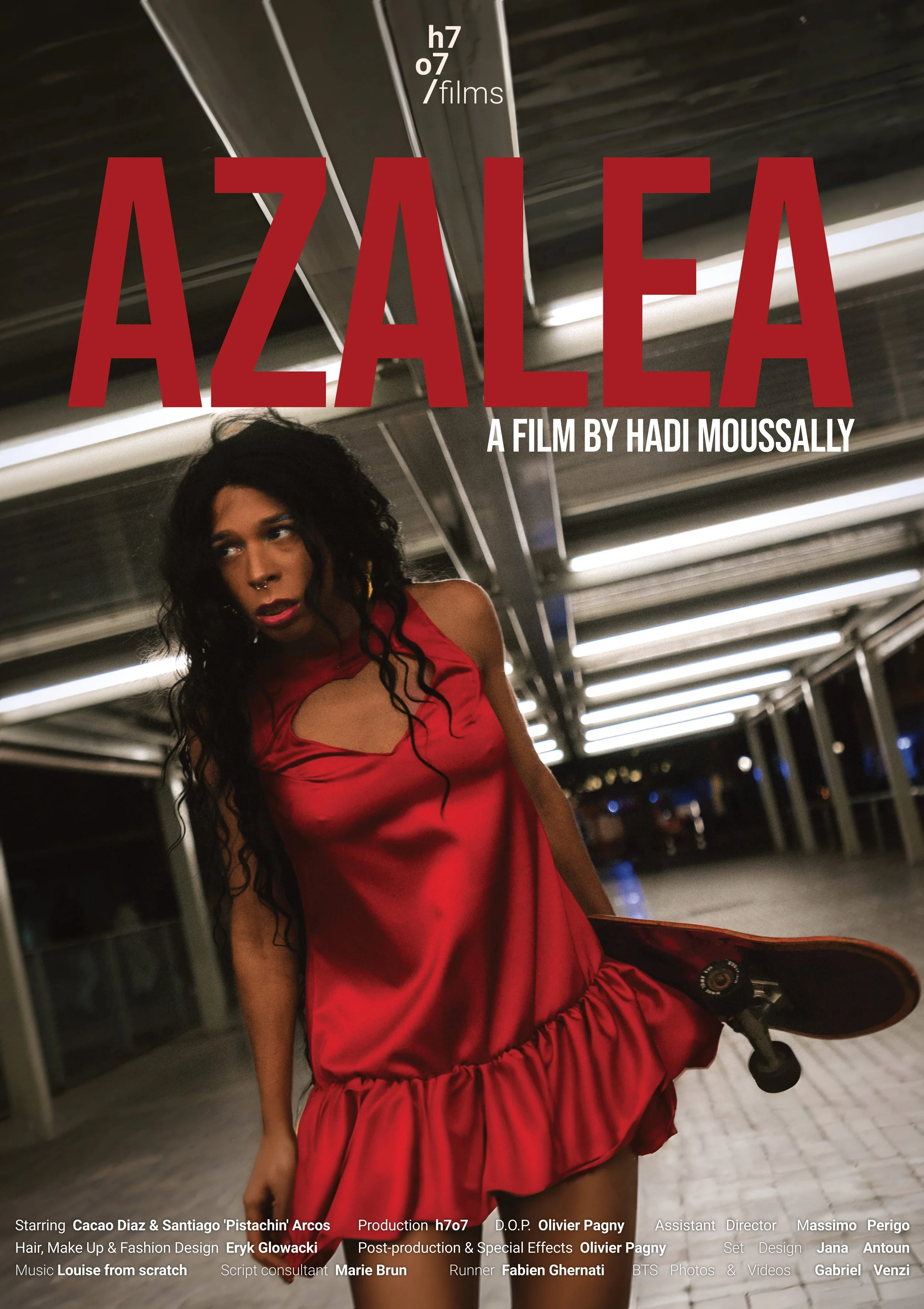
Produced by
h7o7
A film & script by
Hadi Moussally
Director of photography
Olivier Pagny
Assistant director
Massimo Perego
Sound recordist
Lupe Blazquez
Hair, Makeup & Costume Design
Eryk Glowacki
Post-production & Special Effects
Olivier Pagny
Set Design
Jana Antoun
Assistant Set Designer
Jinseo Lee
Music & Sound Design
Louise From Scratch
Production Assistant
Fabien Ghernati
Script Consultant
Marie Brun
Behind-the-scenes Photos & Videos
Gabriel Venzi
© 2026, h7o7 - all rights reserved.
Cast
Azalea : Cacao Diaz
Client : Santiago “Pistachin” Arcos
This film exists thanks to the generosity of all the participants in the crowdfunding campaign.
Thank you from for bottom of my heart.
Special thanks
Clara Marcos Lázaro
Marcelo Pedrocco
Please contact us to request the password and access the film.